
Kitchen tools for spices: molcajete, ceramic grater plates and more

Tools worth using
Filter


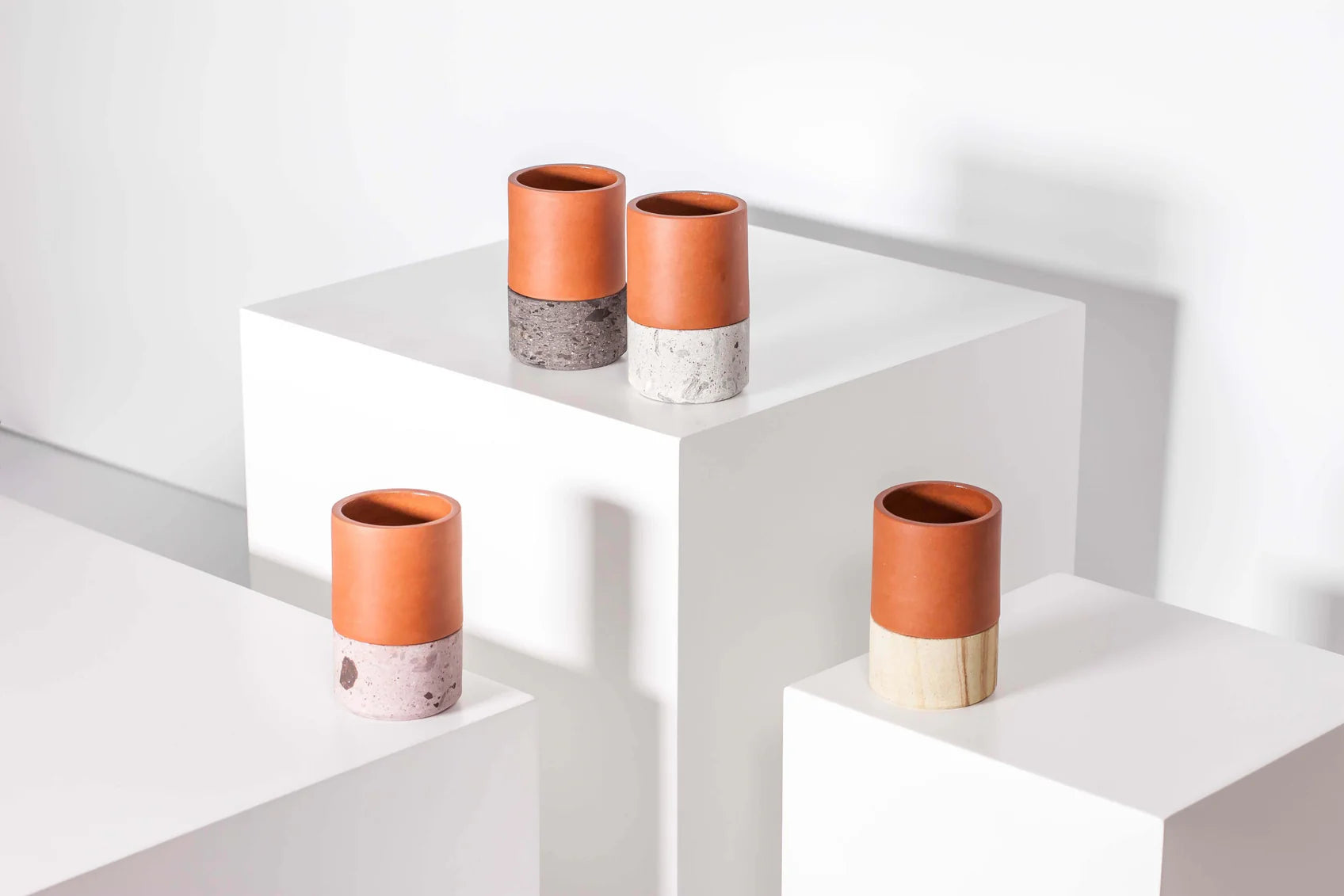
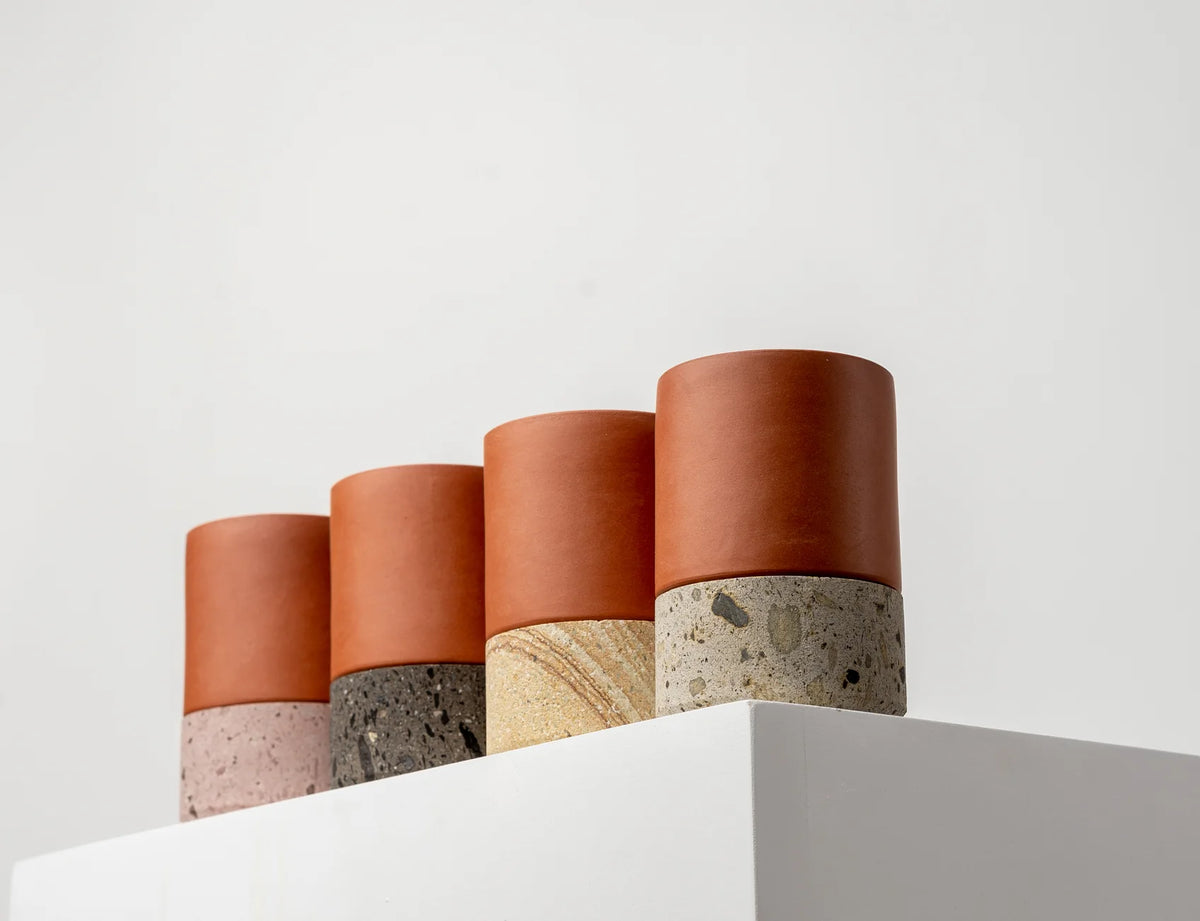
Molcajete: the Mexican mortar of volcanic stone
A molcajete is a Mexican mortar with a pestle, made from volcanic rock. The surface is rough and porous, so chillies, garlic and spices break instead of sliding away. According to the product page, a smooth ceramic or marble mortar lets chillies slide around. Our molcajete sits on a wooden base that doubles as a tortilla warmer.
What to make in it
Guacamole, mashing the avocado straight in the bowl with garlic, lime and salt. Salsa molcajeteada, with charred tomato, onion and chilli ground coarsely. Dry spice mixes from whole cumin, coriander and peppercorns. Pesto and pastes such as harissa or Thai curry paste. The base for a mole. For chillies, stone is the logical choice.
Seasoning a new molcajete
A new molcajete still has loose grit from carving. Rinse it with cold water, no soap. Then grind a handful of dry white rice to a grey powder, throw it away and repeat with fresh rice until the powder stays white. According to the product page that usually takes two to four rounds. A step with garlic follows, written out on the product page.
Ceramic grater plates for garlic, ginger and citrus zest
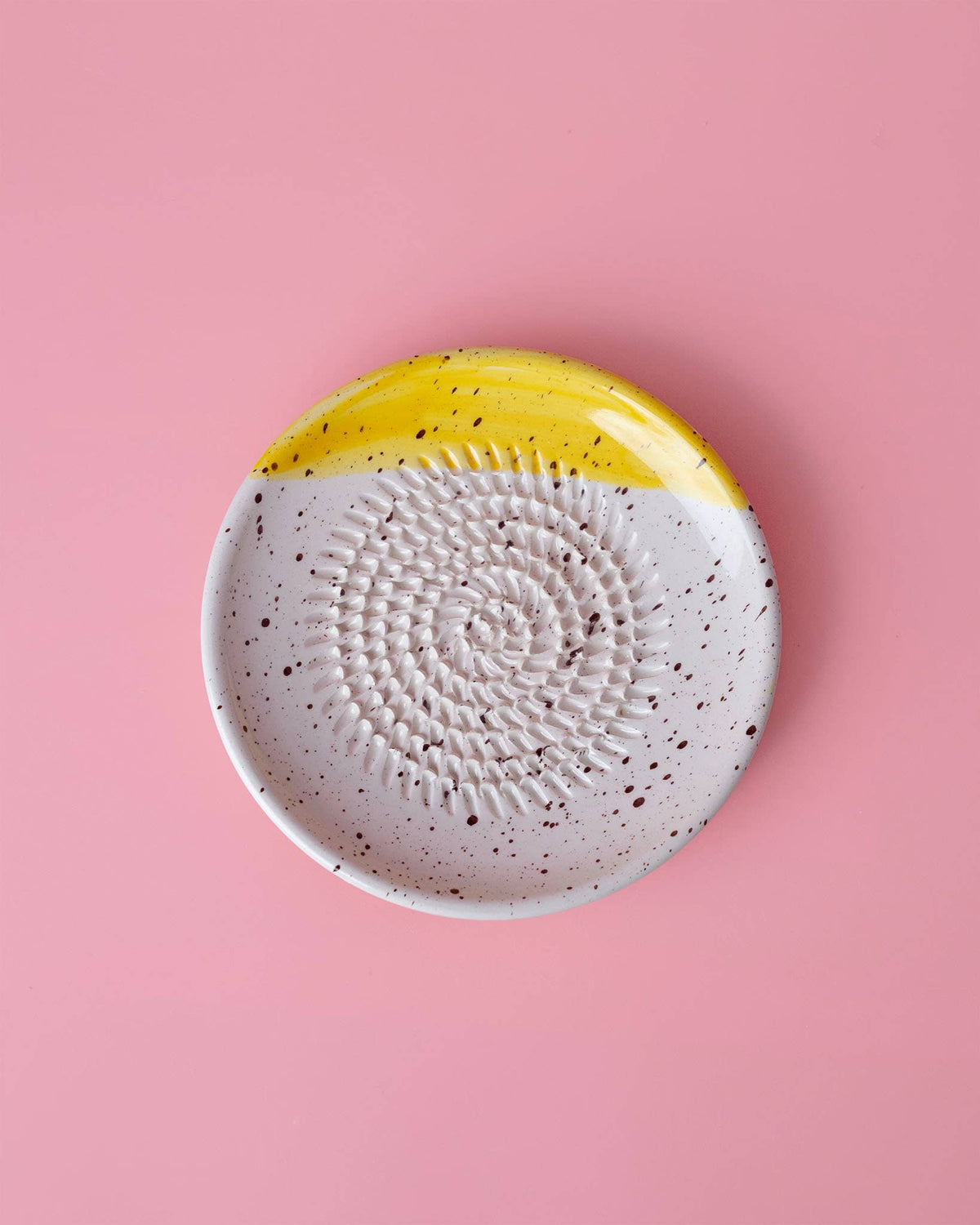
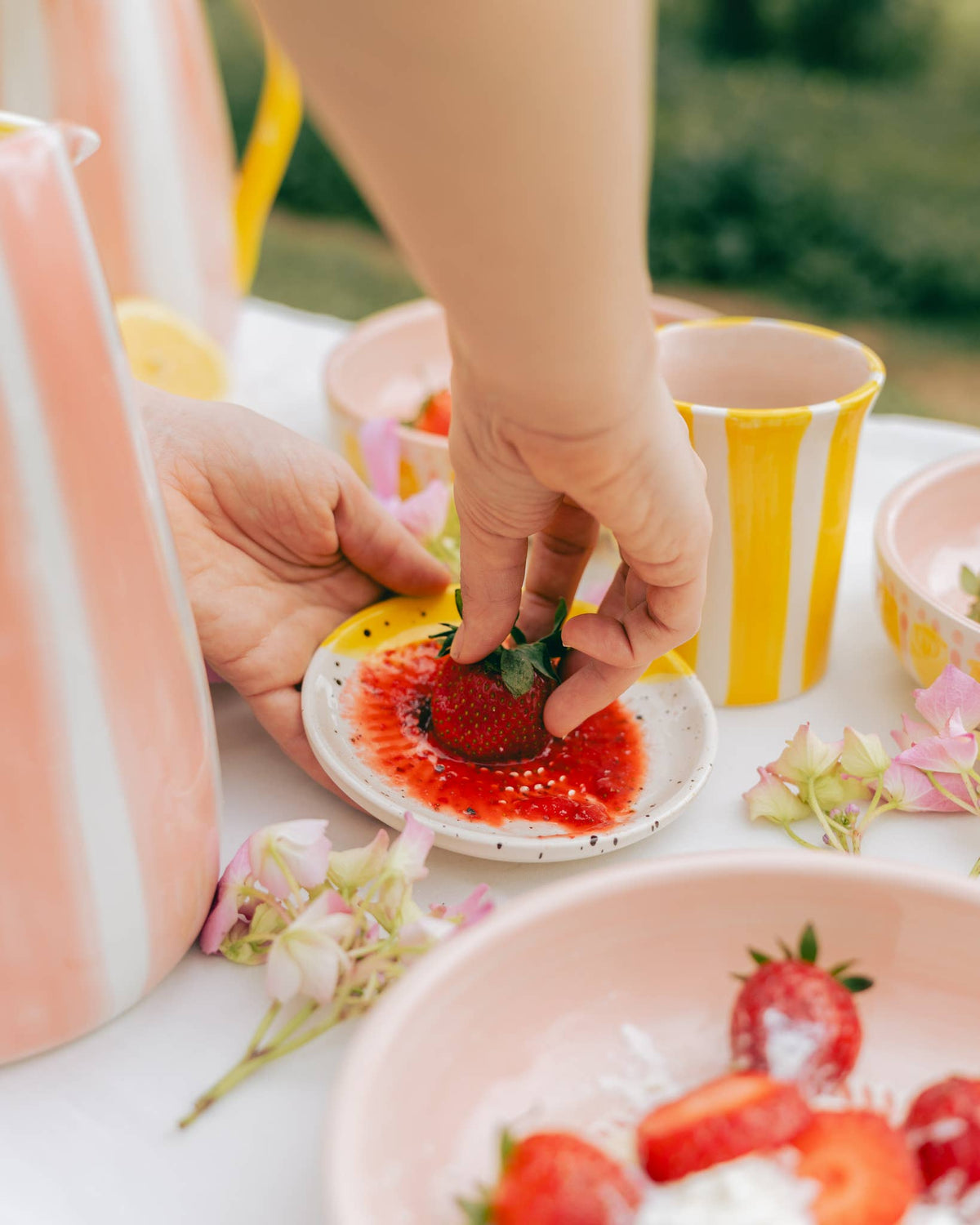
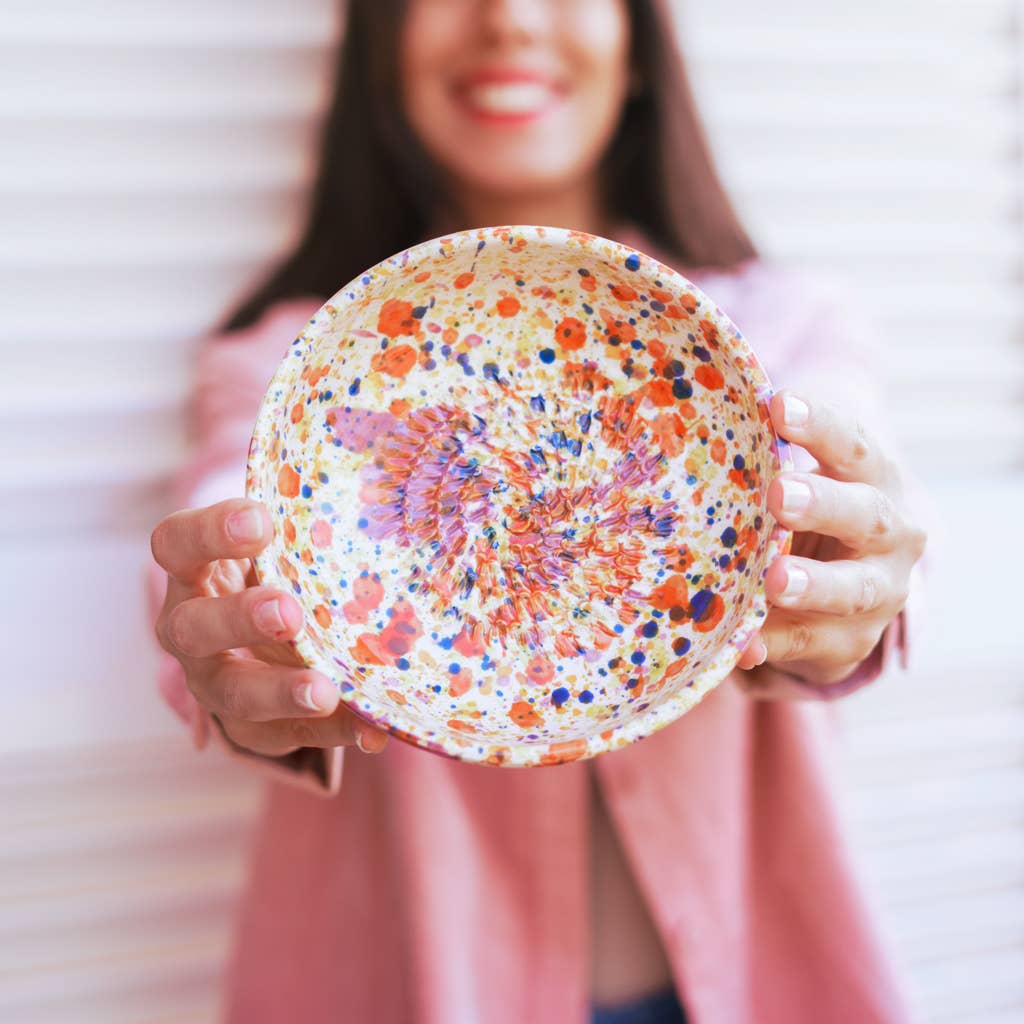
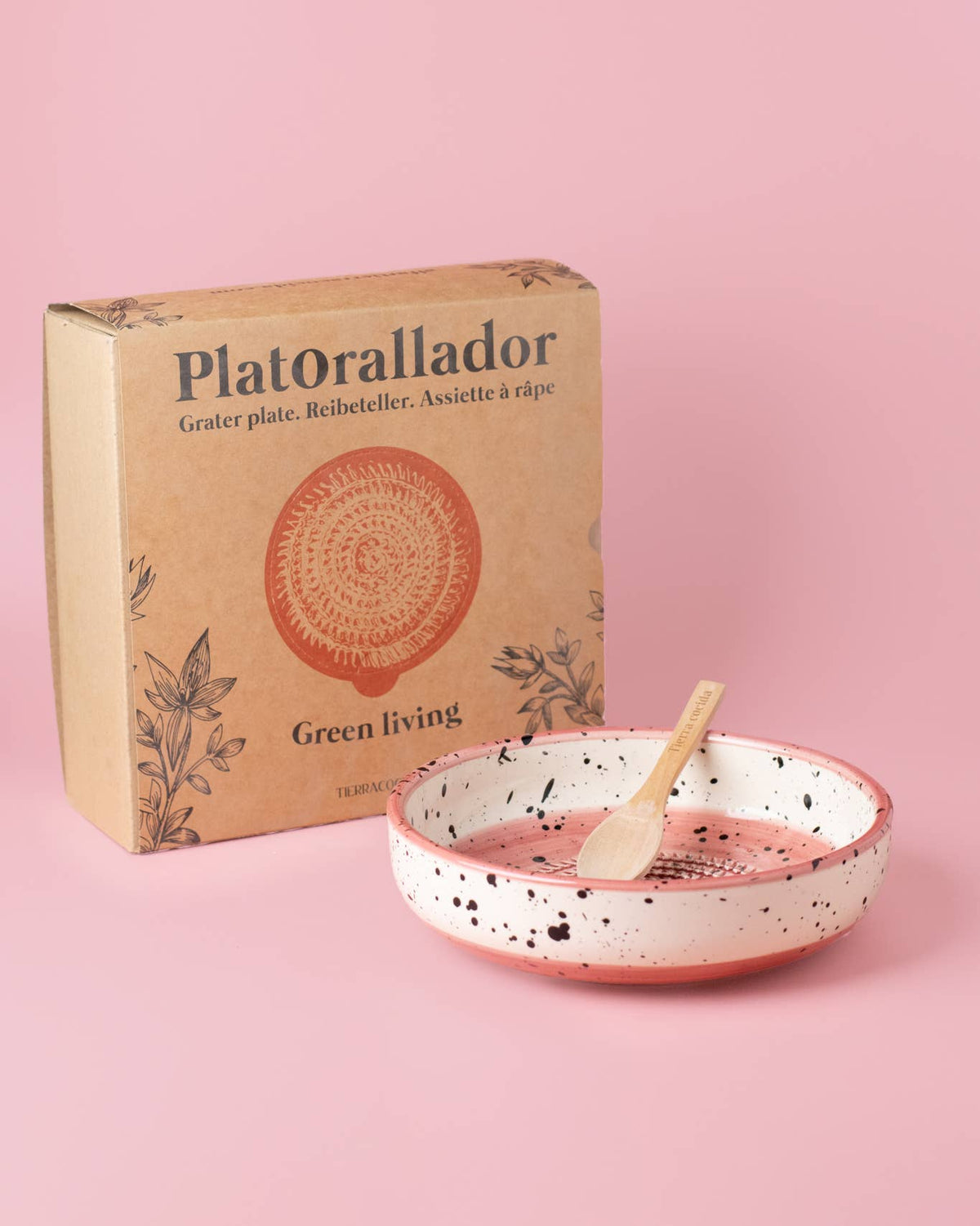
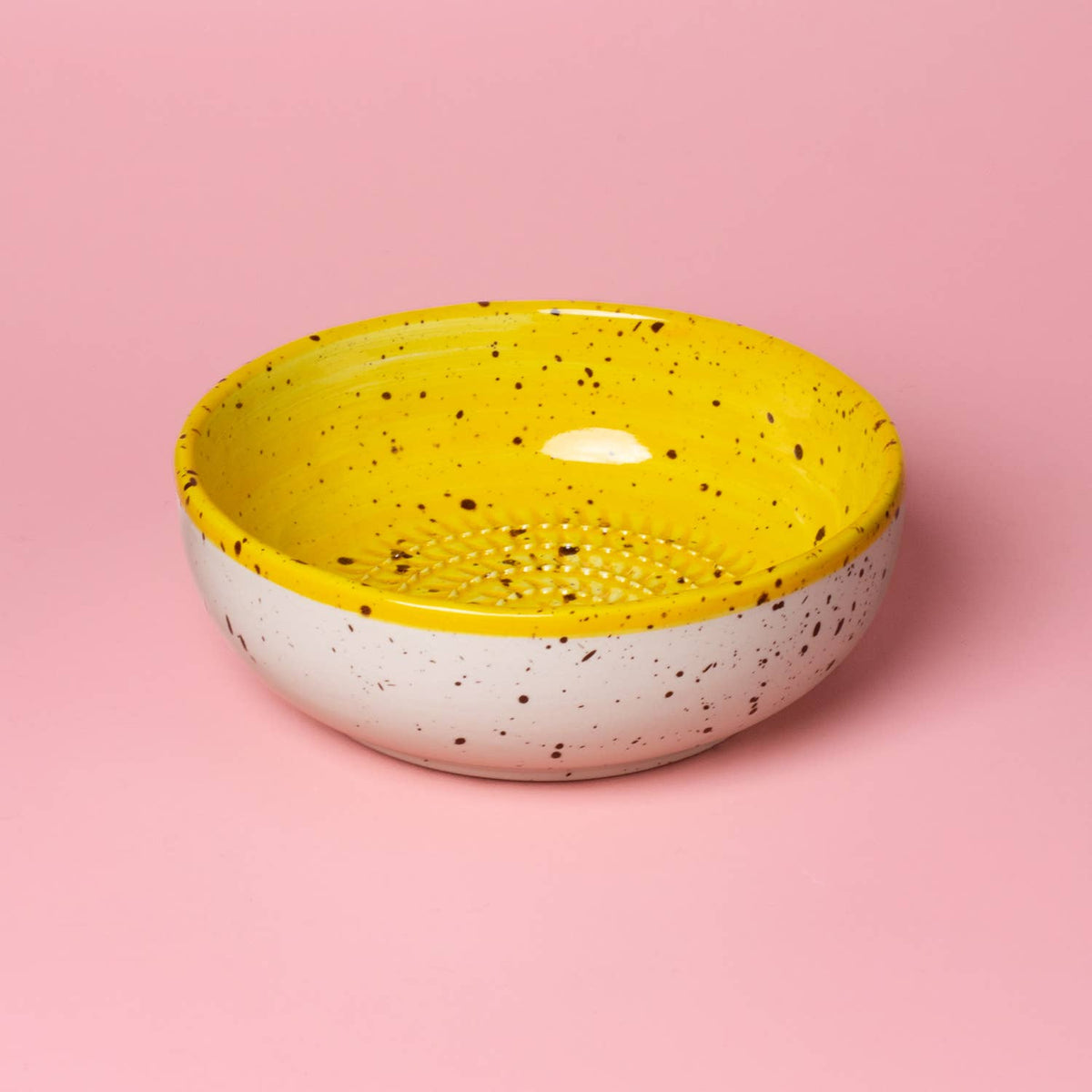
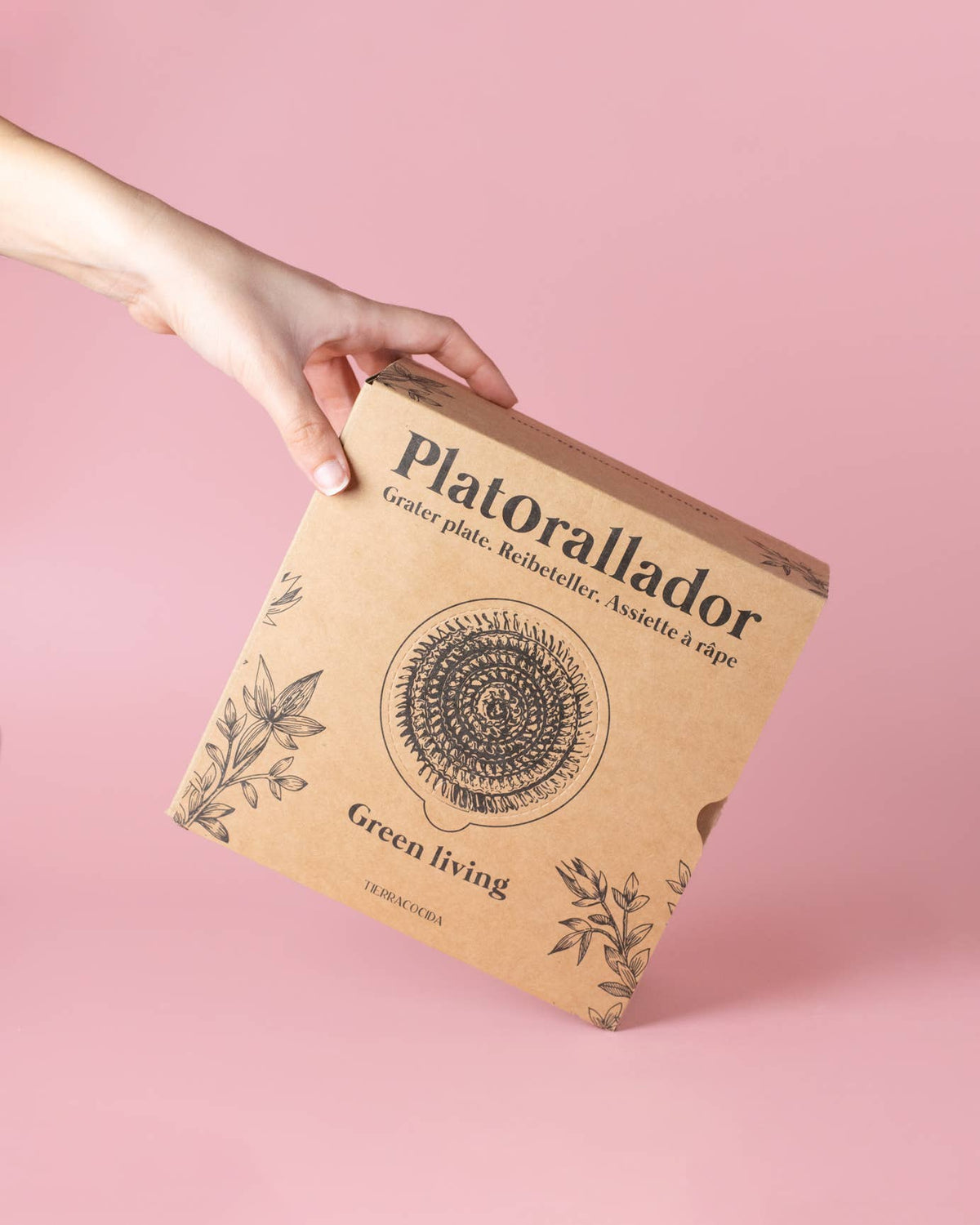
A ceramic grater plate is a dish with a ridged surface that you rub the ingredient over. You get a fine paste or a fine zest, with no metallic taste. The small grater plate (12.5 by 2.5 cm) is for garlic, ginger, nutmeg, citrus zest and chocolate. The medium grater plate (15 by 5 cm) also takes Parmesan and tomato. The large Carnival grater plate is the colourful size that belongs on the table.
The plates are handmade in Spain, with a glaze free of lead and cadmium. According to the product pages, the small and medium ones are dishwasher and microwave safe. Because they are made by hand, every one differs slightly in colour and finish.
| What you want to do | What to use |
|---|---|
| Grate garlic or ginger | Small or medium ceramic grater plate |
| Parmesan and citrus zest over pasta | Medium ceramic grater plate |
| Grind chilli, garlic and spices | Molcajete |
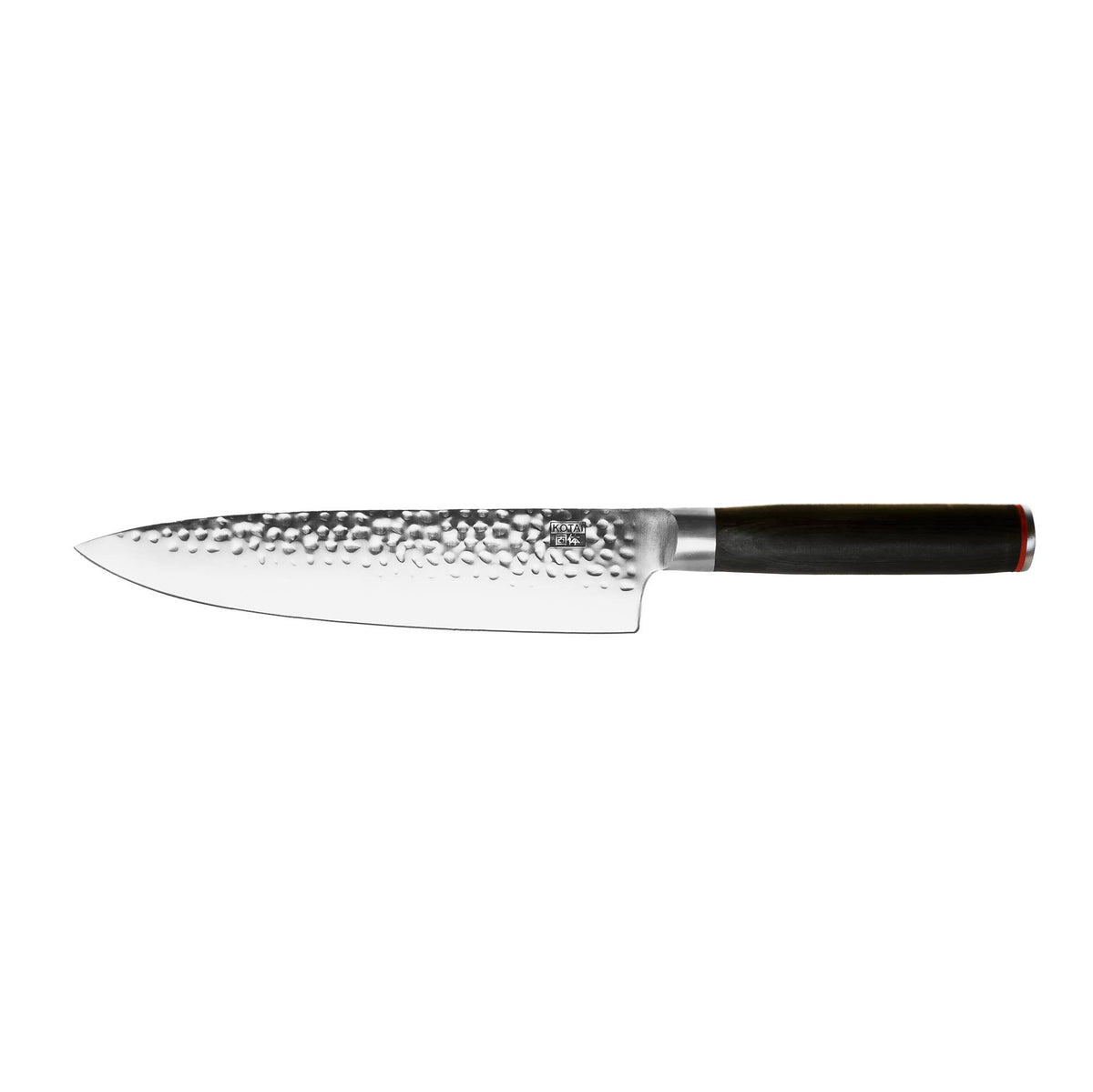
| Slice finely | KOTAI Gyuto chef knife |
| Keep salt or spices on the counter | Ceramic spice pot with cork lid |
Storing and cutting
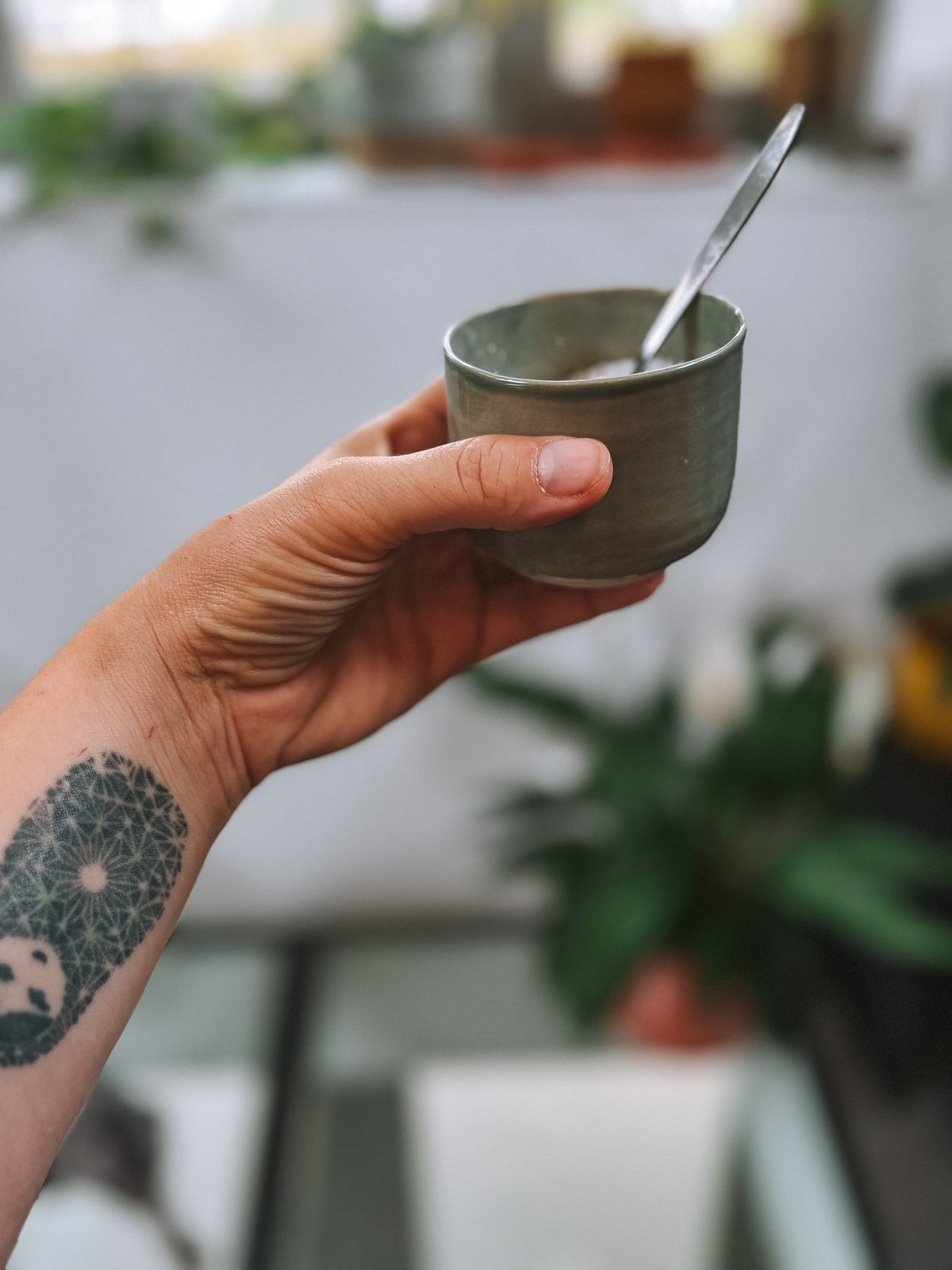
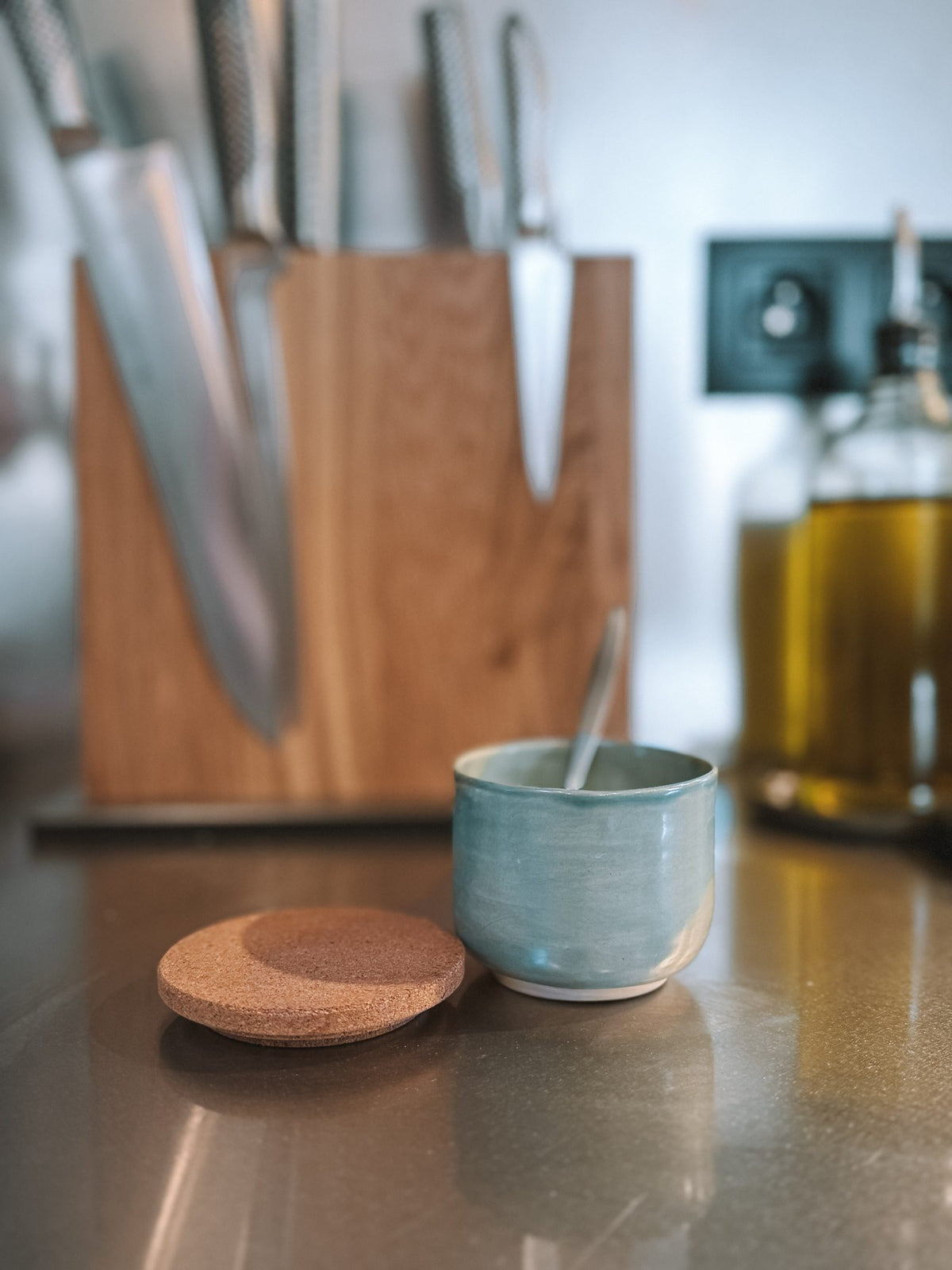
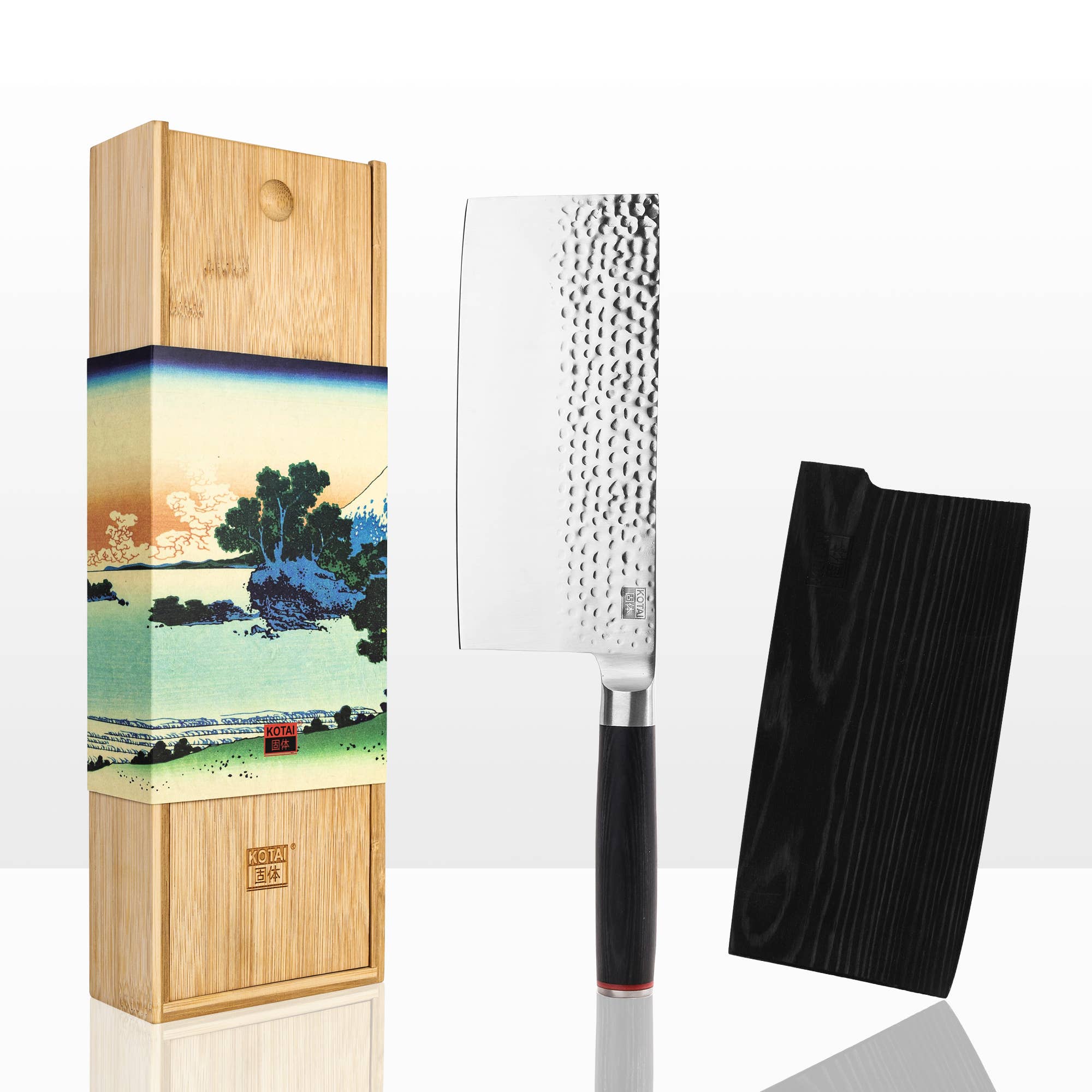
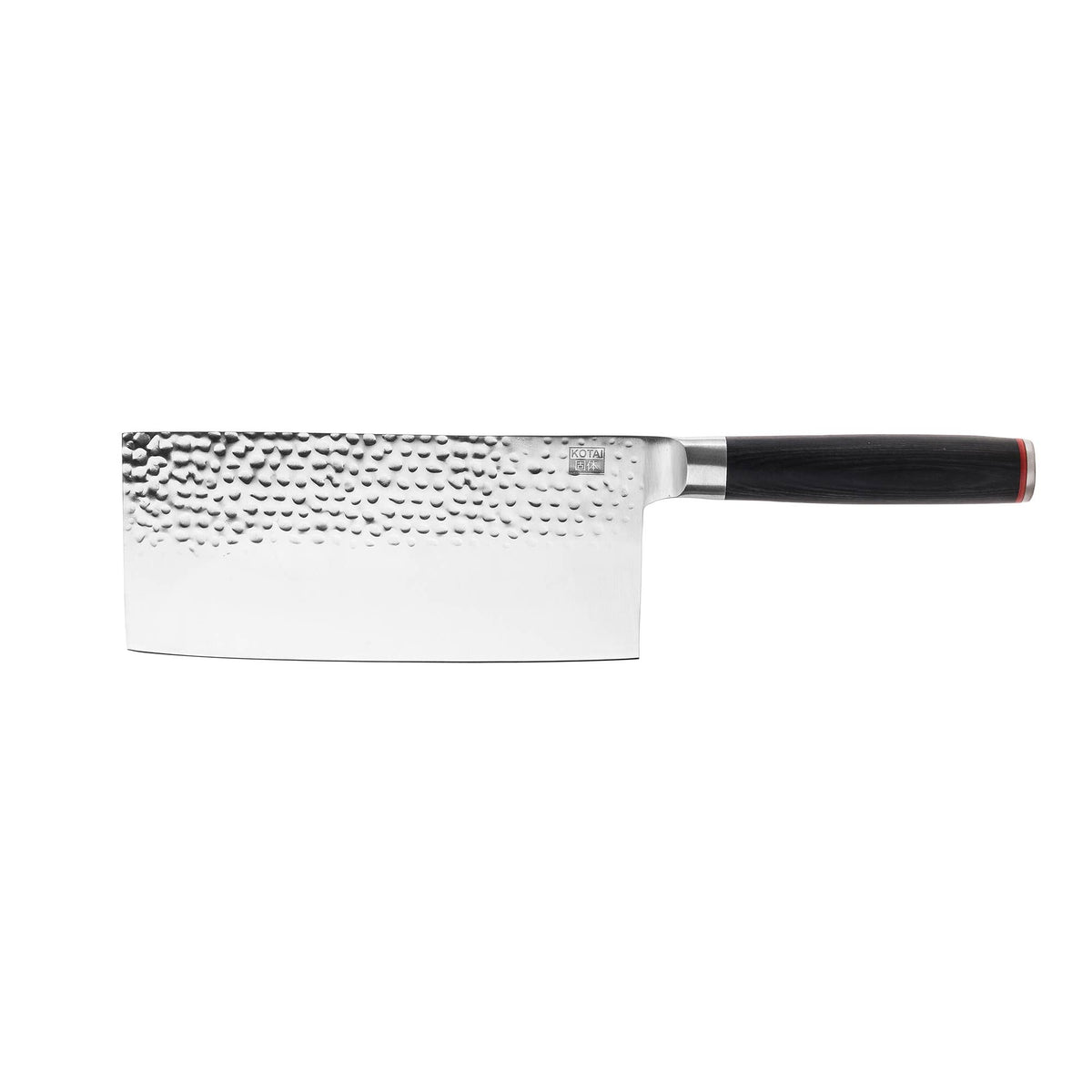
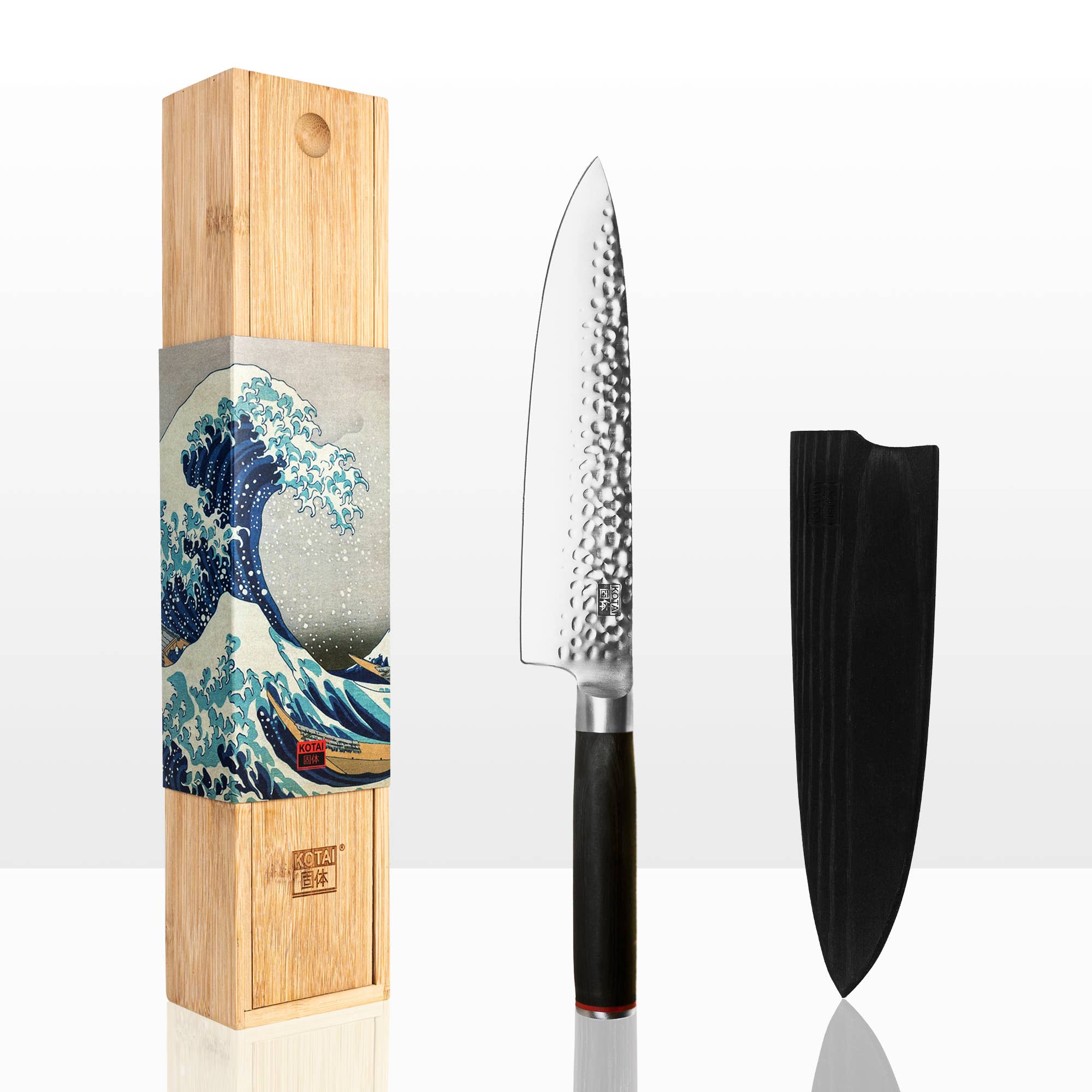
The ceramic spice and salt pot with cork lid is meant for salt, spices and small ingredients on the worktop. The product page calls it handmade in Brussels. For cutting there is the KOTAI Gyuto chef knife in a gift box, a 20 cm Japanese knife with a 440C steel blade, and an olive wood cutting board.
Molcajete or regular mortar
ZEST sells one mortar: the molcajete. For small amounts of ground peppercorns almost any mortar will do. For chillies, guacamole and salsa the rough stone has an edge, because it grips the ingredients and breaks them. A molcajete also takes up room on the worktop and, according to the product page, improves with use because the pores hold on to the flavour of earlier dishes.
Ceramics for the table
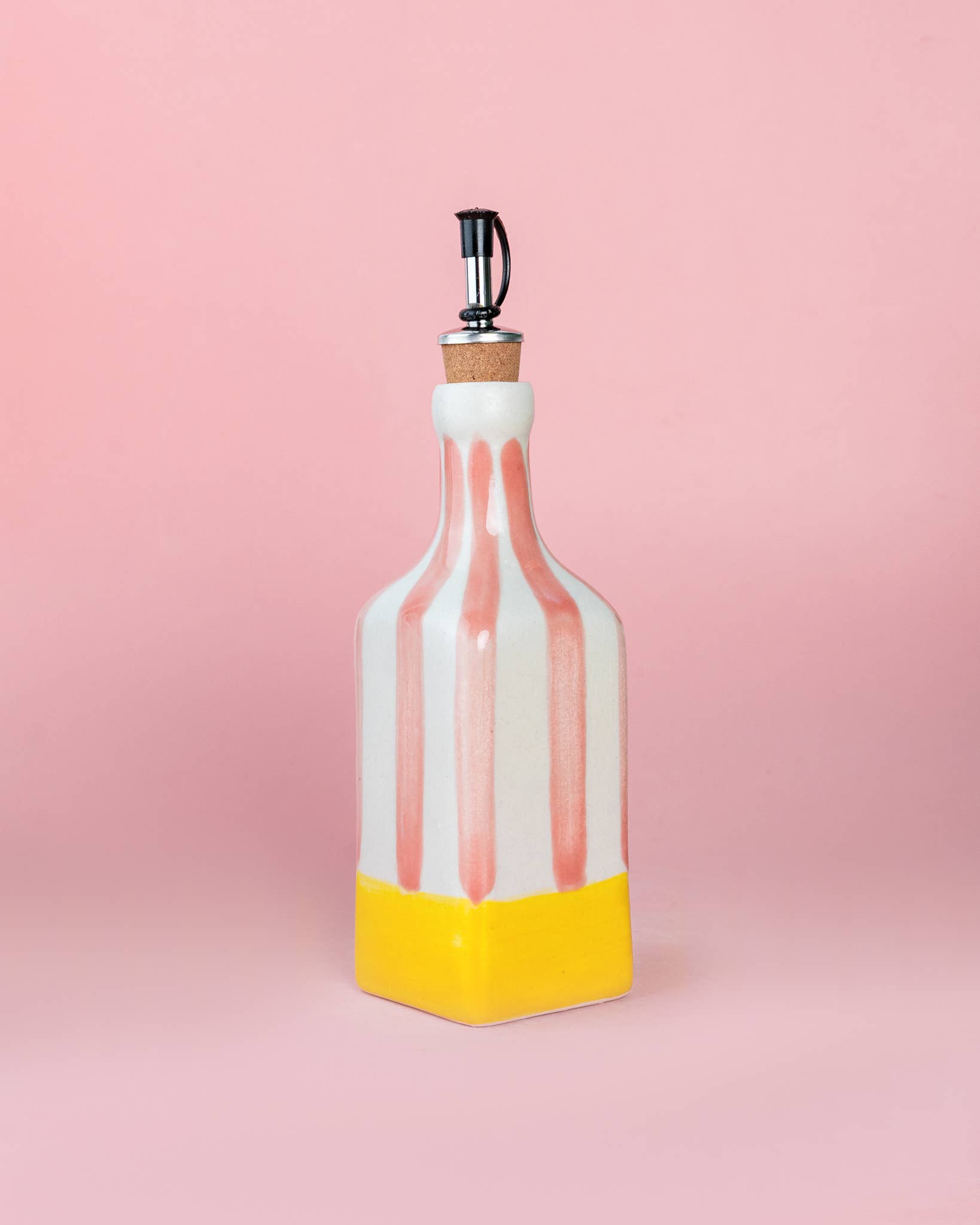
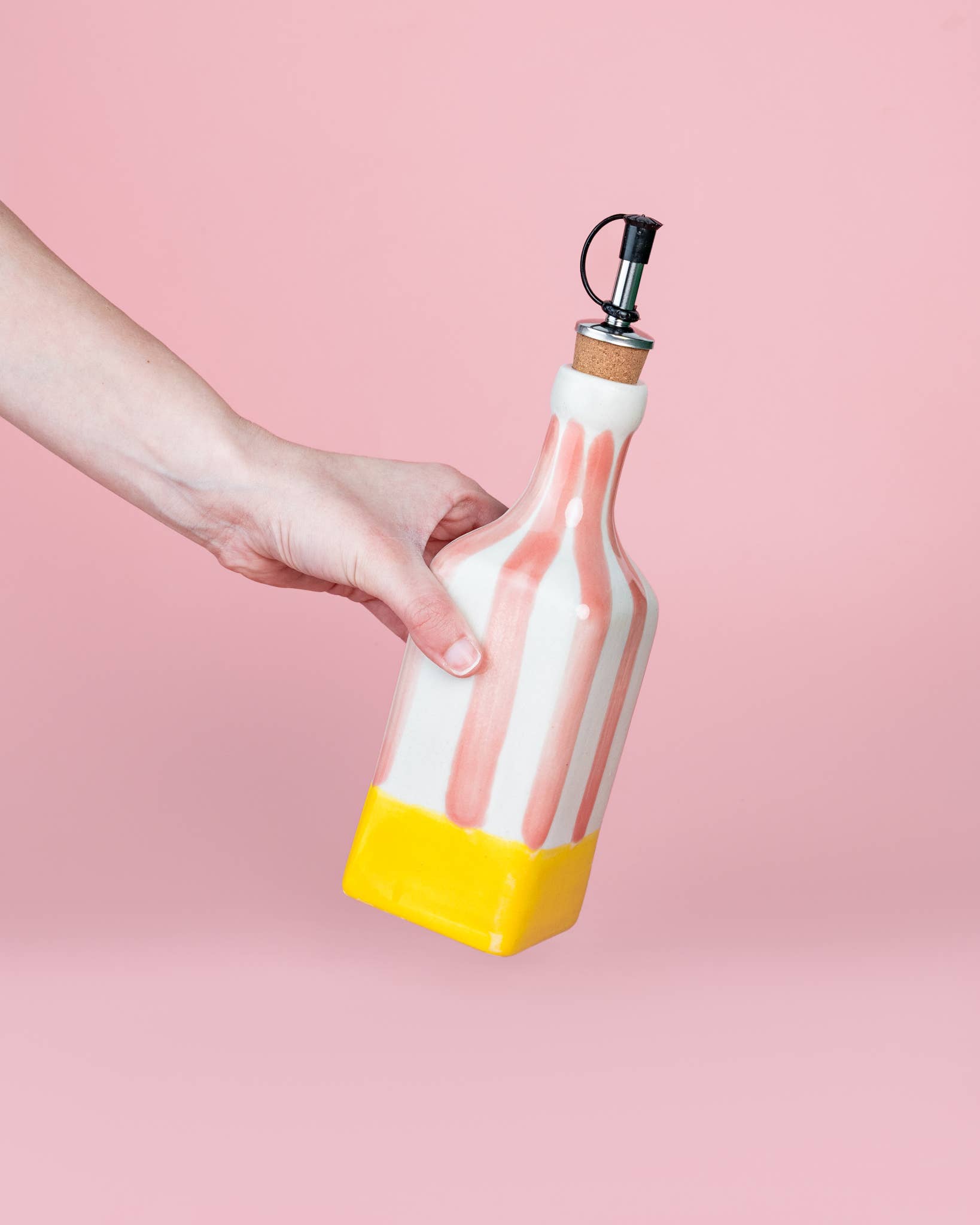
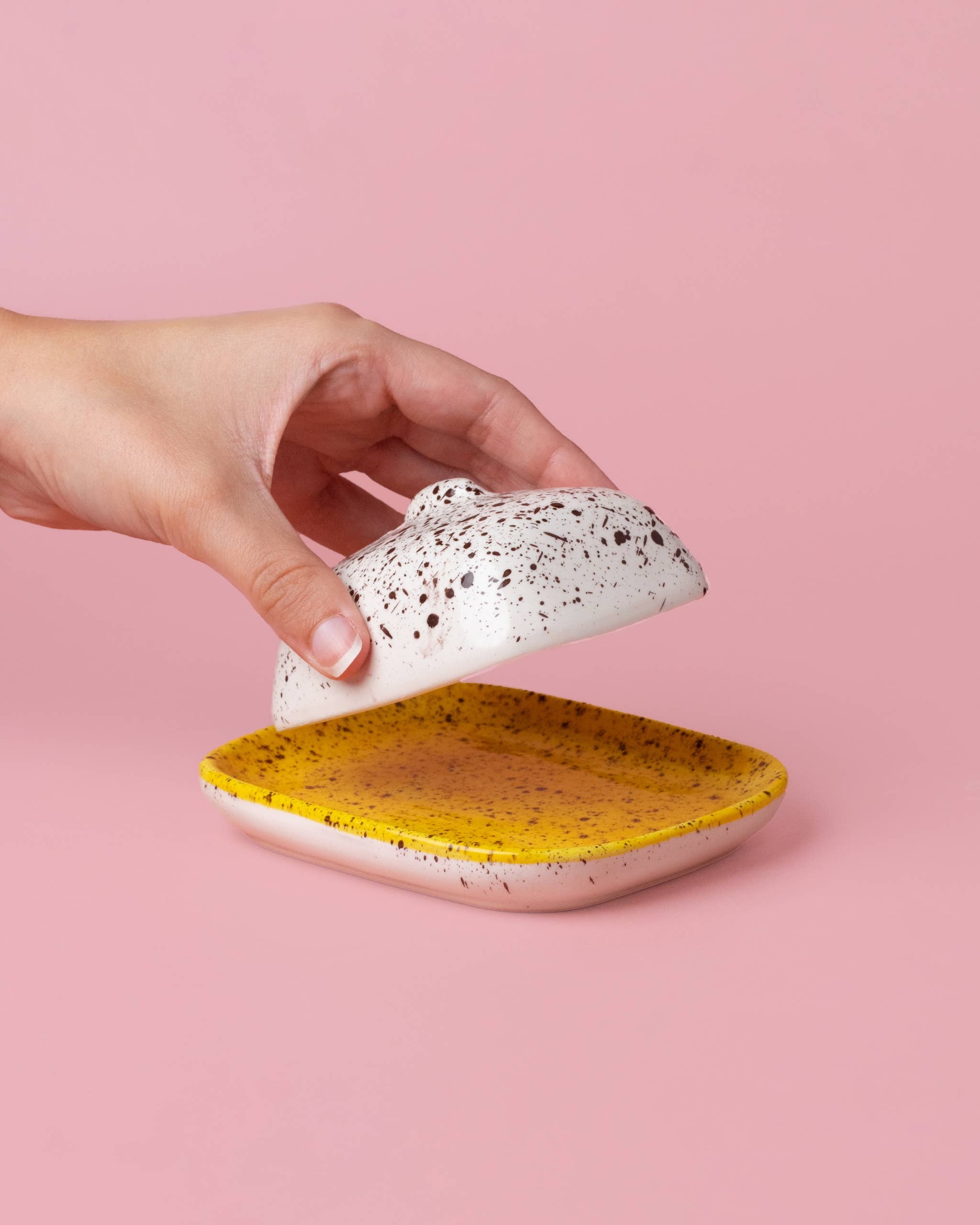
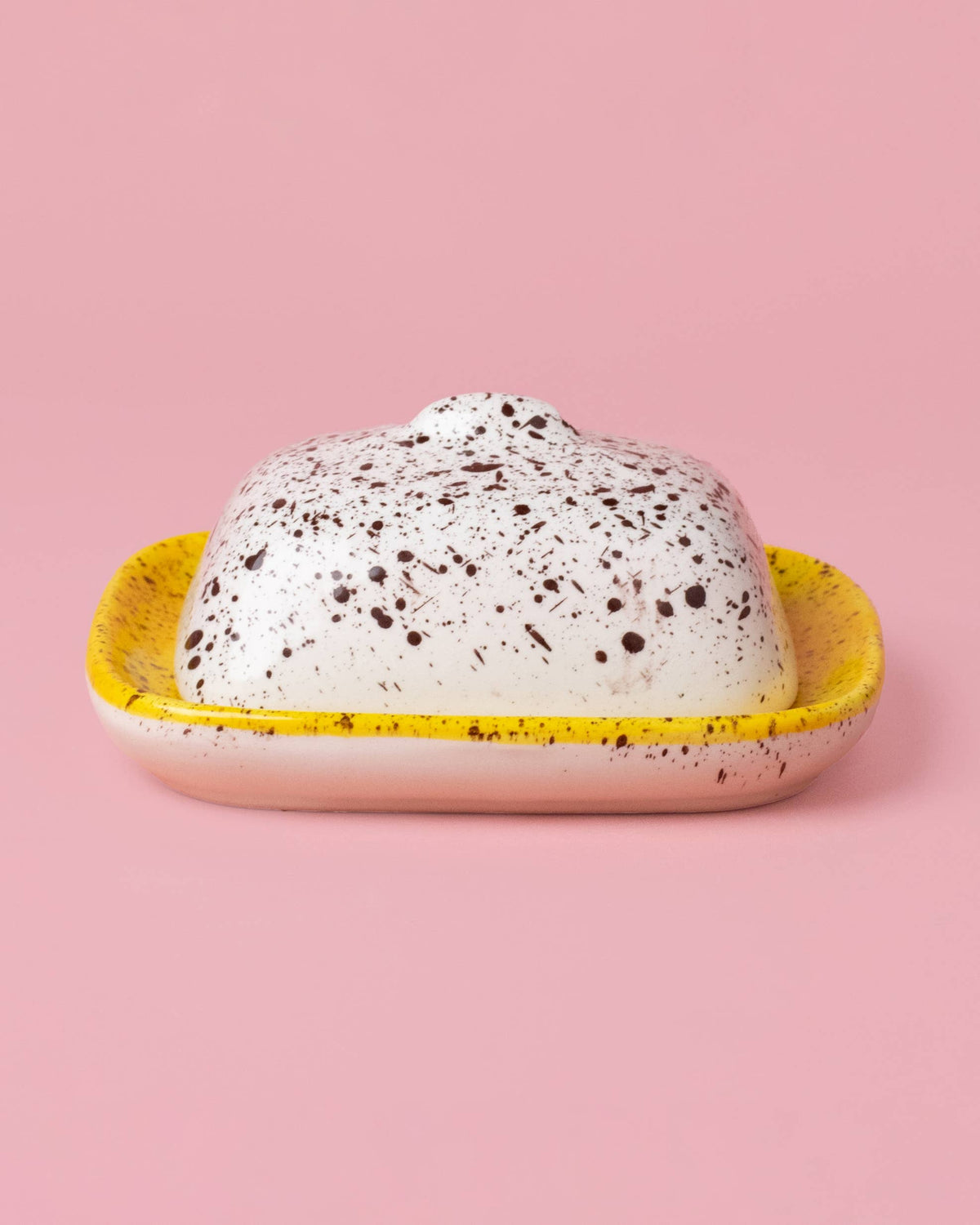
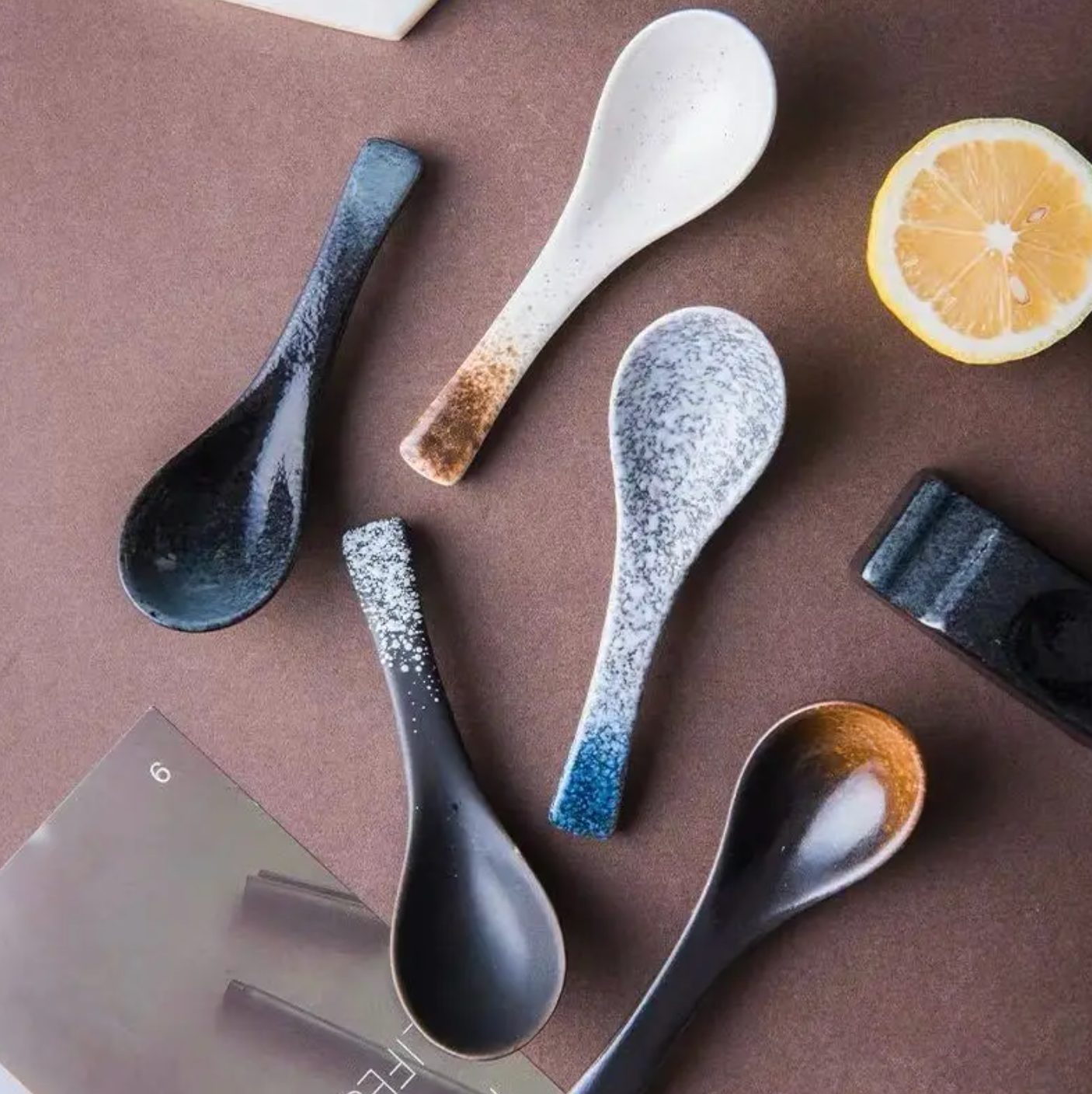
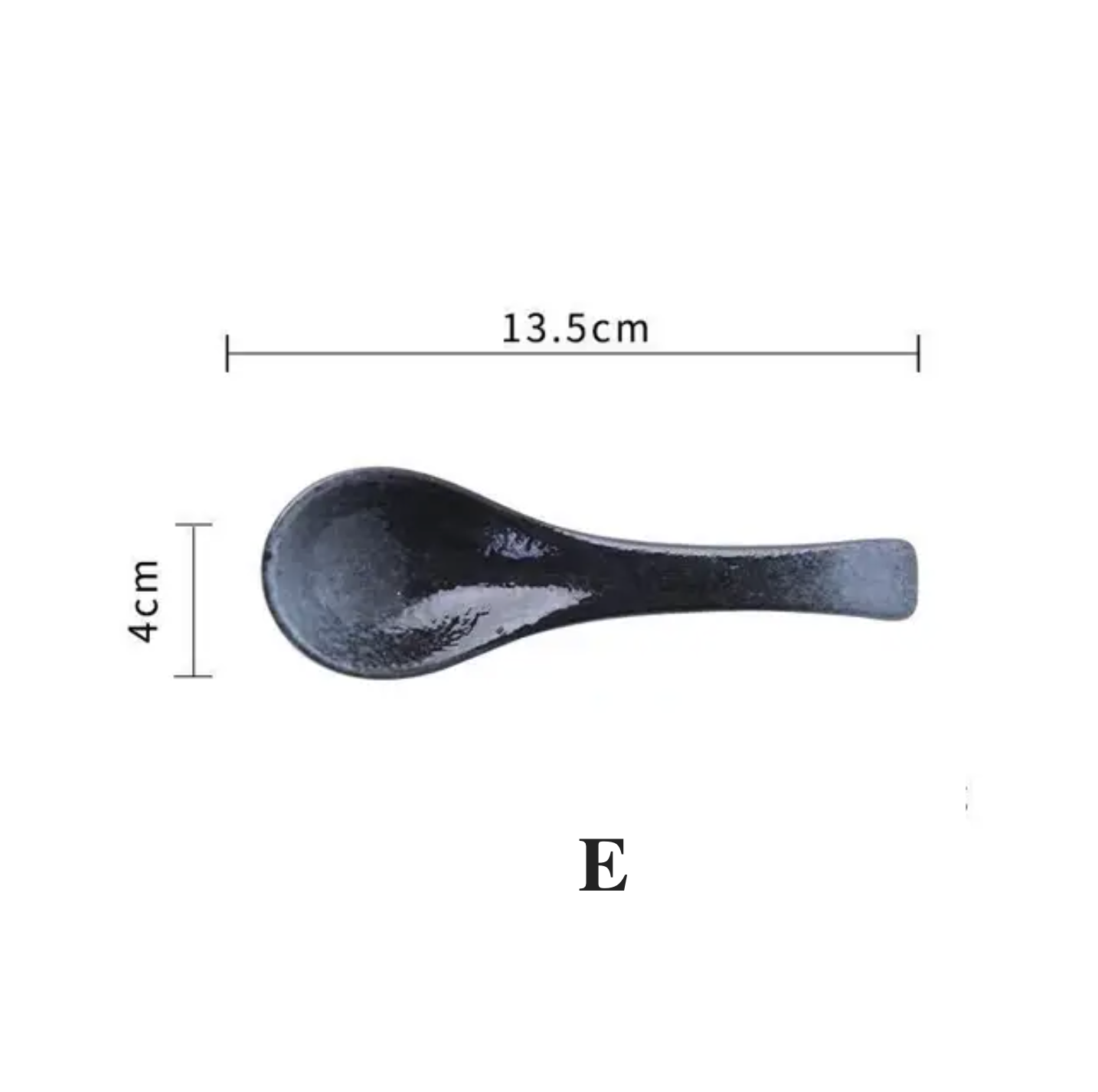
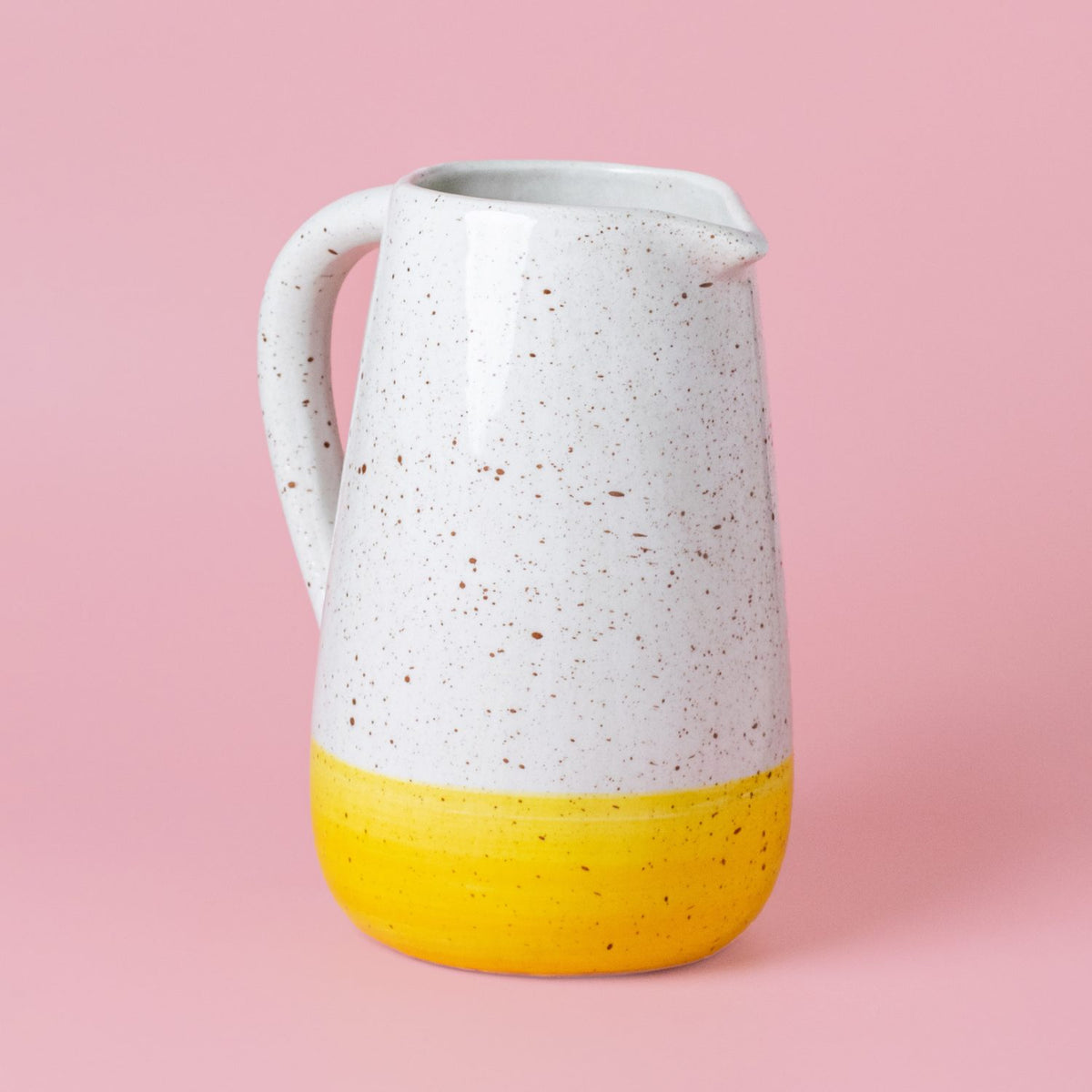
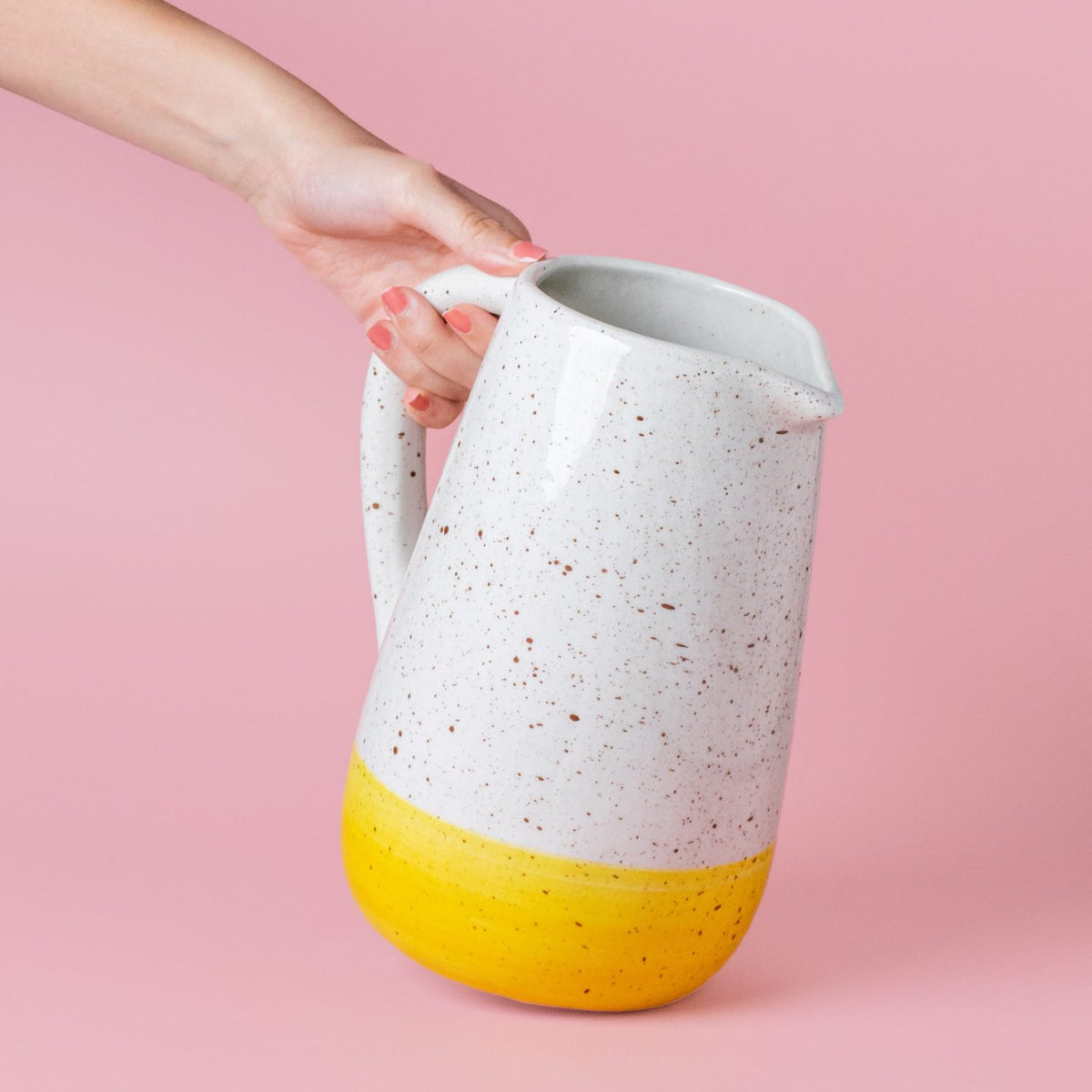
Alongside the tools, the collection holds handmade ceramics: oil dispensers, a butter plate, a large spotted jar and a Japanese soup spoon. That is tableware rather than spice tooling, but it belongs to the same way of cooking.
Looking after it
Wash a molcajete with cold water and a brush, no soap, or the soap sinks into the pores. Ceramic can be rinsed or go in the dishwasher where the product page says so. Dry a knife straight away and keep it out of the dishwasher.
A tip from Chloë and Dax
Grind your own cumin in the molcajete just before you cook. You smell the difference at once. If you want to know which spices go with it, look at the spice blends.
Frequently asked questions
What is the difference between a molcajete and a regular mortar?
A molcajete is a Mexican mortar of volcanic stone with a rough, porous surface. That makes chillies and garlic break rather than slide away, which happens more easily in smooth ceramic or marble mortars.
How do you season a molcajete?
Rinse it with cold water, no soap, and grind dry white rice repeatedly until the powder stays white. That usually takes two to four rounds. The full method is on the product page.
Can a ceramic grater plate go in the dishwasher?
According to the product pages, the small and medium grater plates are dishwasher and microwave safe.
Which grater plate for garlic?
The small grater plate is meant for garlic, ginger, nutmeg and citrus zest. The medium one also handles Parmesan and tomato.
What do you make in a molcajete?
Guacamole, salsa molcajeteada, dry spice mixes, pesto, harissa, Thai curry paste and the base for a mole.
How fast do you ship?
Order on a working day before 14:00 and your parcel leaves the same day. Shipping is free from €60 within the EU.


